
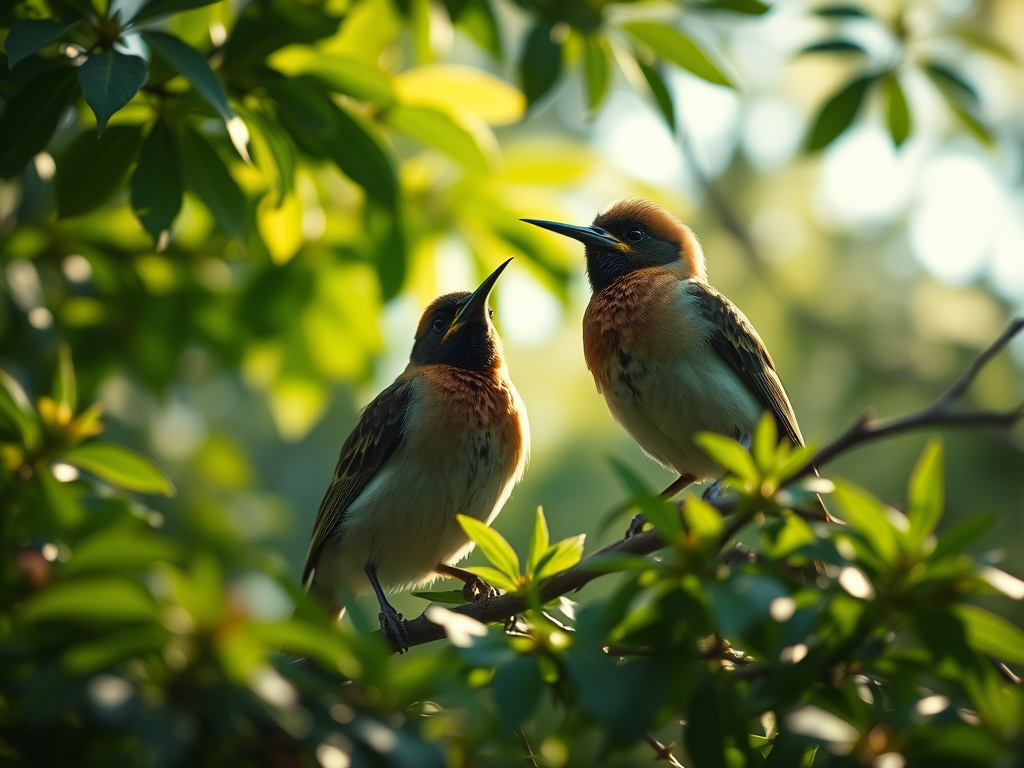
During the pandemic, one of my favorite things to do while lesson planning at home was to sit in the backyard under the big carrotwood tree and watch the wild birds peck and squabble at the feeder. They’d assess the sunflower seeds, using their beaks to spill the ones they didn’t prefer onto the ground, flying back and forth from their hiding spots in the hedge.
Then, as that chapter came to an end and divorce loomed closer, it was like my ears shut off—and the whole world got very quiet. The unraveling of a life I had once built left no room for birdsong, no space for wonder. Survival took over, and the symphony of everyday life faded into silence.
I was packing and purging, documenting in an effort to save my own life, and not one part of it felt like a Renaissance. There’s no poetry or culture or looking for silly shapes in the clouds when your soul cracks open and life is falling spectacularly apart. And there definitely weren’t any birds singing.
I got rid of every single scrap of that twisted chapter and threw my beloved birdhouse into the green bin. There was no time or space to enjoy a chirpy little feeder, and I didn’t know where life would take me next. I imagined an urban condo without a yard—maybe a balcony, only community trees to sit under. I’d lost ownership in the world, feeling unauthorized to invite the birds into my space.
Time passed. Seasons came and went, each one subtly shifting the rhythm of my life. The static of uncertainty softened, giving way to something steadier. Frequency changed, new vibration. And then, without force or expectation, a new home found me.
A few weeks ago, I was making morning tea with the back door open for the dogs to come in and out, and the breeze carried in a chorus of neighborhood mourning doves, towhees, finches, and crows. They were singing along with our orchestra of wind chimes.
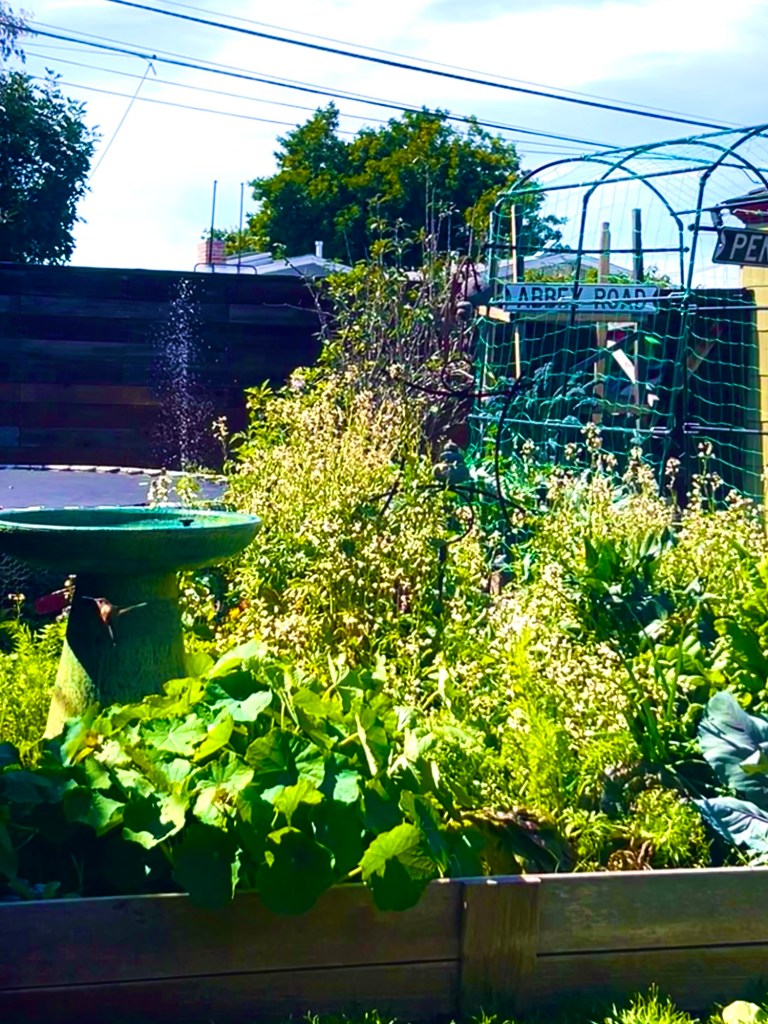
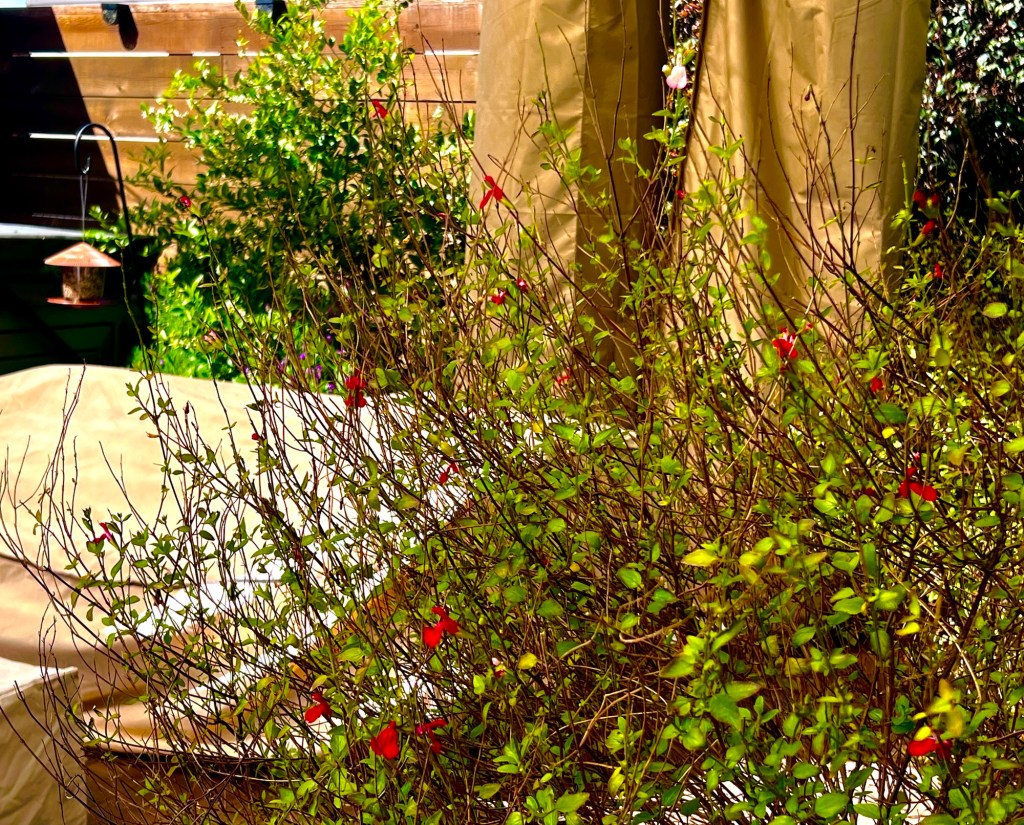
We got a hanging bird feeder and a heavy, beautiful Mexican ceramic bird bath for our garden. The hummingbirds, forever reminding me of my cousin Joy, swing by to visit the “Hot Lips”—a type of sage known for its unique red-and-white bicolor flowers that resemble tiny lips—blooming in planters outside our bedroom windows.
Then last weekend, I came into the kitchen to grab some coffee and saw something scuttle toward the back door.
I thought it was a rat or a scavenger, but when I peeked my head around the corner, it flew off—a little bird just curiously coming in to explore our home.
I couldn’t help but pay attention. Birds are often regarded as messengers from the spiritual realm. Some believe a bird entering your home is a good omen, confirmation that you’re on the right path.
How strange that my instinct told me it was a sneaky rodent. In earlier chapters, the intrusions into my space were never innocent—there was always something lurking, something taking, something leaving a mess behind. That’s what life has taught me to believe: Don’t trust it, protect yourself, there’s always going to be something trying to take your peace from you. A few sneaky rodents found their way into my safe spaces during earlier chapters. That instinct kept me alive through battles and volcano eruptions.
But how humbling to have my tried-and-true instinct be so obviously and positively wrong. A chance to reflect, to shift into vulnerability and trust. A chance to question whether my instinct and my nature may no longer be on the same page. Dare I believe that maybe good things can happen to me too?
When I moved classrooms in August, one of the first things I noticed was a squatty, umbrella-shaped eucalyptus tree right outside my classroom windows.
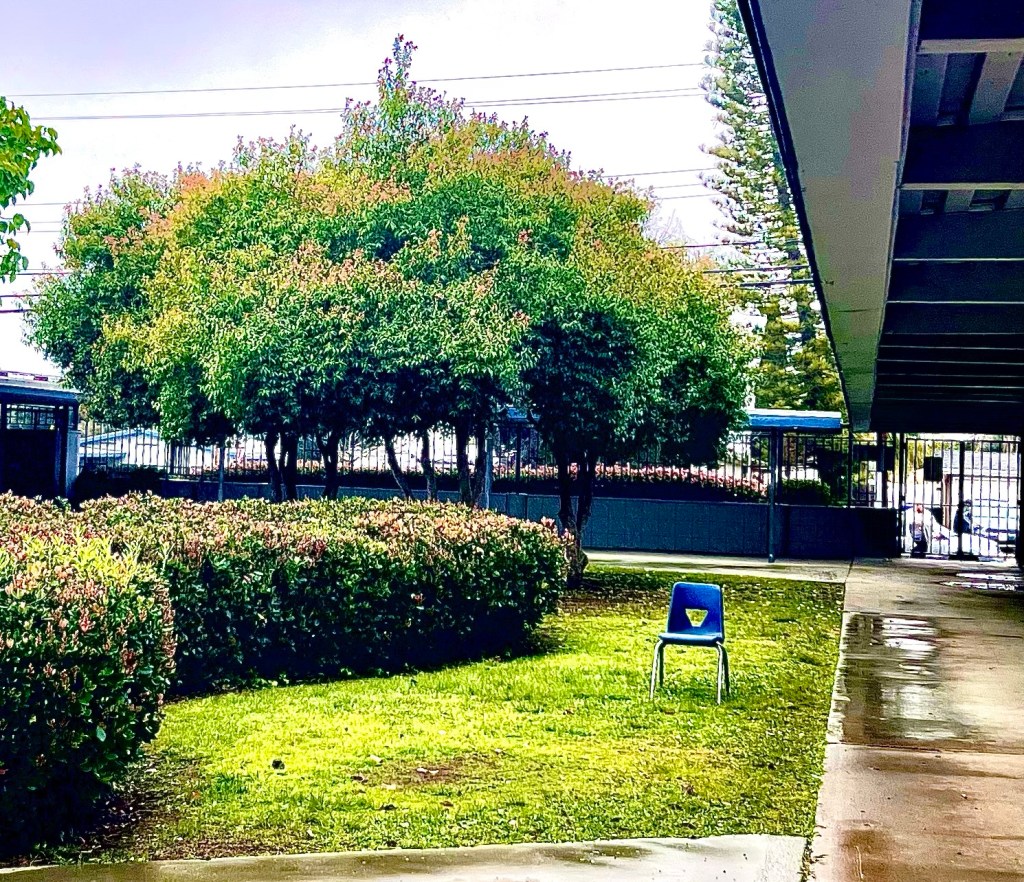
In December, I spent passing periods standing underneath it, watching the bees pollinate. The other day, its orange flowers began their bright and fragrant bloom.
In January, I was in the middle of a lesson and saw through the windows a hawk swoop into the tree, sending an exodus of terrified tweety birds flying off and away.
But the birds came back to reclaim it, and I’ve been noticing them hopping around on the inside branches, chirping and talking to each other. The threat of a hawk is not nearly as powerful as their nature to sing and communicate.
They continue to live well in that tree, in spite of predators who may try to shake them out of it. Perhaps it’s true that living your best life is, in fact, the best revenge—not in a way that seeks retribution, but in a way that reclaims joy, that proves to yourself you are still here, still singing, still growing despite it all.
When I was leaving school a few weeks ago, a whole bush broke out in birdsong, a little concert just for me.
And I thought, That’s weird. Have they always been here, and I just haven’t heard them until now?
I’m noticing birds everywhere I go. They’re soaring above my car on my commute, serenading me in the morning while I make my tea, keeping me company throughout the day, fluttering around the evening garden, peeking into our open doors—an entire universe of music and inspiration opening my senses again. A reminder to stay present and aware, not only of the nature in the air all around me, but of my own nature to sing—to trust in joy, to embrace the unexpected, to recognize that life, like the birds, returns with its own music when I am ready to hear it again.
