
I woke up this morning thinking about a girl I knew in elementary school, someone I haven’t really thought about in years, although that’s not entirely true. I’ve thought about her plenty over the course of my life, but almost always in connection with one particular memory, one that settled into some permanent corner of my brain when I was thirteen years old and has been living there ever since. Every once in a while, something brings her to mind, and I find myself revisiting an experience I never completely understood. This morning, though, I stayed with the memory a little longer than usual, and found myself thinking about the things I still don’t know.
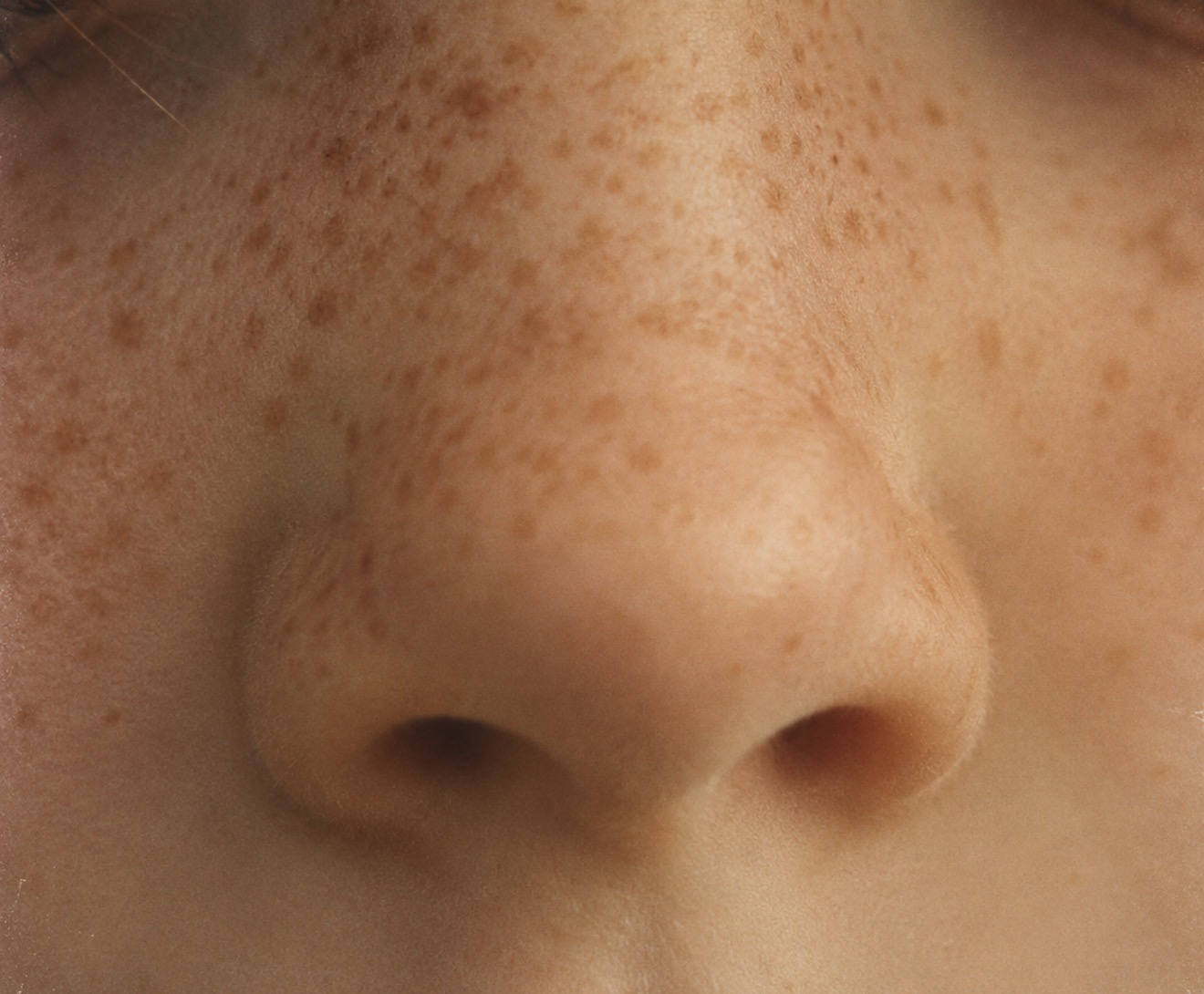
She transferred to our elementary school sometime around fourth or fifth grade. I don’t remember exactly when, or how we became friends. What I do remember is that she had freckles, just like me, and people sometimes thought we were cousins or somehow related because we looked alike. I suppose that’s the kind of thing you notice when you’re little, especially when someone new arrives and suddenly people are comparing the two of you.
At some point, we became close enough that she invited me to walk home from school with her. I remember going to her house. Her parents weren’t home when we arrived, and the house seemed dark and a little gloomy, although I couldn’t tell you now what made it feel that way. I have a vague recollection that her mother might have come home and made us a snack before I got picked up, but I’m not even sure about that. There are enormous gaps in what I remember about our friendship, which is strange when I consider how clearly I remember what came later.
By junior high, we’d drifted apart, as kids do. We weren’t in the same classes, at least not that I recall, and whatever had made us friends in elementary school had apparently given way to other friendships and the general social upheaval of adolescence. I don’t remember there being any falling out. She was just someone I used to know, someone who had once been part of my little world.
Then, sometime in eighth grade, I was called out of science class and sent to the principal’s office.
I don’t remember whether I was told why I was being summoned, but I remember arriving and discovering that my mother was there. That alone was unsettling. When you’re thirteen, being called into the office is generally something you associate with having done something wrong, and having your mother waiting there makes it considerably more serious. But I hadn’t done anything, as far as I knew, and I couldn’t imagine what could possibly require her presence in the middle of a school day.
There were school administrators involved, along with the school psychologist, and they began asking me questions about a teacher at the school. I can’t reconstruct the conversation word for word after all these years, but I remember the nature of the questions. Had I ever been alone with him? Had he ever touched me in a way that made me uncomfortable? Had he ever asked me to do anything inappropriate? Was there anything about my interactions with him that I needed to tell them?
I remember being completely bewildered because I didn’t know this teacher. He’d never taught me. As far as I could remember, I’d never even spoken to him. Maybe I’d seen him in the yearbook? I knew vaguely who he was, but that was about it. So I kept telling them no, trying to explain that I had no relationship with this man whatsoever, while also trying to understand why these adults seemed to believe there was a reason to be asking me such personal questions.
There is something profoundly unsettling about being questioned by adults who appear to know something about your life that you don’t. I remember the feeling that there must be some piece of information everyone else had been given, something that would explain why I was sitting there with my mother and the school psychologist being asked about a man I’d never met. I wanted to know where this was coming from. Had someone said something? Had something happened to another student? Why was my name involved?
And beneath all that confusion was a fear I couldn’t begin to explain to anyone in that room.
Because I had been sexually abused when I was younger.
A male family member had violated me on multiple occasions when I was still in elementary school, sometimes at his house and sometimes when he babysat us. This happened over a period of several years, and eventually I told my mother what had been happening. The consequences of that disclosure were devastating. People in my family accused me of lying. Relationships fractured. An entire side of my family effectively disappeared from my life, and I grew up with the terrible understanding that telling the truth about what someone had done to me had somehow destroyed my family.
I know now, of course, that I wasn’t responsible for any of it. But children are remarkably good at accepting responsibility for things they have no power to control, particularly when the adults around them make their anger and disbelief so painfully apparent. I had watched what happened when I spoke up. I’d seen people I knew and loved turn against me, and I’d learned that telling the truth could have consequences I wasn’t remotely prepared to endure.
By junior high, I was carrying an enormous amount of shame about what had happened to me. I was terrified of anyone finding out. I worried that my friends would think I was dirty or disgusting, that they’d look at me differently or make fun of me. There was nothing rational about those fears, but there wasn’t much rational about being thirteen, either. I was at an age when belonging felt terribly important, and I already knew what it felt like to become the center of a conflict I hadn’t asked for and couldn’t control.
I had learned to protect myself by keeping that part of my life hidden. I wasn’t going to give anyone another opportunity to question me, or judge me, or turn something painful into something I would have to defend.
And now here I was, sitting in a school office, answering questions about whether an adult had touched me inappropriately.
I knew the answer to their questions was no. I had no connection to the teacher they were asking about. But the fact that they were asking at all made me feel exposed in a way that was almost impossible to articulate. I was being questioned about the very kind of experience I’d spent years trying to keep hidden, and I had no idea how my name had become associated with it. I couldn’t tell whether this was something private that would end when I left the office or whether people were already talking about me. The adults may have been approaching the situation with genuine concern, but I was a frightened kid who had already seen what could happen when adults got involved in something like this. I didn’t have much faith that their involvement would make anything better.
I don’t remember how the meeting ended, or whether my mom took me out of school afterward. I have a vague recollection that we might have gone to lunch. What I remember is leaving with an uneasy sense that something had happened around me, something involving my name and my body and a teacher I didn’t know, and nobody had explained why.
Sometime afterward, I was talking to a friend and mentioned what had happened. I asked whether she’d been called into the office, too, because I still couldn’t make sense of it. Were they questioning everybody? Was there some investigation going on that I didn’t know about?
And that’s when she told me that the freckled girl I’d been friends with in elementary school had been telling people that this teacher had done something inappropriate to me.
I remember the hurt of that revelation more vividly than almost anything else about the experience. Of all the people in the world, why would she be saying something like that about me? We’d known each other for years. We’d been friends. She’d invited me into her home. And now, for reasons I couldn’t begin to understand, she was apparently telling people something so deeply personal and humiliating that I couldn’t even bring myself to discuss my actual experience with my closest friends.
What made it especially awful was the realization that the very thing I’d feared most might already be happening. People could be talking about me as someone who’d been sexually violated. They could be imagining things about my life, making assumptions about me, passing around a story I hadn’t told and couldn’t even recognize as my own. The fact that the allegation involved someone I’d never had contact with didn’t make it any less upsetting. If anything, it made the whole thing feel more bizarre. Someone had apparently attached my name to an experience that wasn’t mine, and somehow that story had made its way into the principal’s office, where I was now expected to answer for it.
I was furious. I felt betrayed. And I decided that she must have wanted to hurt me, because I couldn’t come up with another explanation that made any sense.
I don’t remember ever confronting her about it. I don’t remember asking her why. I just remember how completely my feelings toward her changed, and how quickly that one incident came to define her in my memory. Whatever else she’d been to me in elementary school seemed to disappear. For the next several decades, if I thought of her at all, I thought of her as the girl who had started that awful rumor about me.
A few years later, when I was in high school, I attended a church camp where people were sharing their personal testimonies. There was a lot of talk about finding Jesus, about the things people had experienced and the ways their lives had changed, and for some reason I decided that this was where I was finally going to tell a hundred people what had happened to me. I was surrounded mostly by people I barely knew, which perhaps made it easier, although I can’t say for certain. I just remember deciding to say it out loud. I told them that I’d been sexually abused by someone in my family when I was little.
A friend who had come to camp with me started crying. She told me how sorry she was and that she wished it had never happened to me. I can still remember how much that meant, partly because I’d spent so long preparing myself for an entirely different reaction. I’d imagined what people would think of me if they knew, and almost every possibility I’d considered involved some kind of rejection. Yet here was someone who knew me, someone whose opinion mattered to me, crying because she was sad that I’d been hurt. I had never really allowed myself to consider that someone might hear my story and respond that way.
I don’t want to exaggerate the moment and pretend that everything changed overnight. I still had years of growing up to do, and plenty to untangle about what had happened to me and the damage that followed. But I remember that moment as the first time I began to understand that other people might feel compassion for the little girl I’d been. That the experience I believed made me somehow shameful was something another person could hear without thinking less of me.
A couple of years ago, some of us who’d attended elementary school together had a little reunion, and the girl with the freckles showed up. I knew beforehand that she might be there, and I remember feeling oddly nervous about seeing her. We were adults now, with entire lives between us and the children we’d once been, but I still associated her with that afternoon in the principal’s office. I wondered how I would feel when I saw her, whether I would still be angry, whether she would remember what happened or have any idea that I’d been carrying it around all these years.
And then we saw each other, and it was fine. We talked. She was friendly. There was nothing particularly uncomfortable about the interaction, at least not outwardly. I think she even started following my writing afterward. I remember considering the possibility that I should just let the whole thing go. We were children when it happened, after all. Whatever she’d said or done, it was ancient history. I certainly wasn’t the same person I’d been in eighth grade, and it seemed unreasonable to assume she was, either.
But letting something go is a peculiar thing. I think sometimes we decide we’re finished with an experience because it no longer causes us the same degree of pain, even though we’ve never really gone back and examined the meaning we assigned to it. I had stopped being angry with her, or at least I’d stopped giving that anger much attention. But I still understood what happened in exactly the same way I had when I was thirteen. She had said something cruel about me. It had frightened and humiliated me. And that was that.
Until this morning, when I woke up thinking about her again.
I don’t know what brought her to mind. There wasn’t a dream I can remember, or some conversation yesterday that might explain why I woke up thinking about a girl I knew almost forty years ago. But there she was, and along with her came the memory of that teacher and the rumor, and I found myself sitting with a possibility that I may have considered before, but perhaps never allowed myself to examine very deeply.
What if she’d been trying to tell someone something she didn’t know how to say?
I’ve spent so much of my life interpreting that incident through the fear I was experiencing at the time that I don’t know how much room I ever left for another explanation. I assumed she was trying to humiliate me because that was how it felt. I knew what it was like to have something terrible happen to you and be afraid to tell anyone, and I couldn’t imagine why someone would deliberately put that kind of attention on another person.
I started wondering whether the story she’d been telling about me might somehow have been connected to a story she couldn’t tell about herself. Maybe she’d been frightened. Maybe she’d wanted someone to notice something she couldn’t say directly. Maybe using another girl’s name had made it possible to speak about something she couldn’t yet bring herself to own. Or maybe none of that was true, and something else entirely had been happening that I will never understand.
I have no evidence that she was being harmed, and I don’t want to invent a history for her simply because I’m now capable of imagining one. I don’t know whether that teacher ever behaved inappropriately with her or with anyone else. I don’t even know exactly what she said, or to whom, because I never heard it from her directly. All I have is what a friend told me afterward, and the memory of being called into an office to answer questions that made no sense to me.
It’s possible that she was simply being mean. Kids can be spectacularly cruel, especially at an age when they’re experimenting with social power and have very little understanding of what their words might cost someone else. Maybe she was repeating something she’d heard without thinking. Maybe the whole thing was more complicated than I ever knew. I can turn it over in my mind all I want, but the only person who might be able to explain what happened is someone I haven’t really known since elementary school.
What I keep coming back to is how little I ever wondered about her experience of those years.
I knew what was happening in my own life. I knew how much I was hiding, how frightened I was, how desperately I wanted to appear normal. I knew the extraordinary distance between the girl people saw at school and the girl who lay awake carrying the responsibility for a family that had come apart after she told the truth. I knew there were things happening in my life that my classmates couldn’t possibly have imagined, because I’d made certain they couldn’t imagine them.
And yet, somehow, I never gave much thought to the possibility that another girl my age might have been moving through those same hallways with an equally complicated inner life.
I suppose that makes sense. I was thirteen, and I was trying to survive my own childhood. When I heard that someone I’d once trusted was spreading a rumor about me, I experienced it as another violation. I was scared, and she’d become part of what frightened me. I had no particular reason to be curious about what might have motivated her.
What interests me now is how long that understanding remained intact. I grew up. I fell in love, had my heart broken, made mistakes, learned things about people I never could have imagined as a child. I became a teacher and spent years watching adolescents try to navigate their lives with the limited emotional resources available to them. I’ve sat across from kids who were angry or withdrawn or behaving in ways that made very little sense until I learned something about what was happening at home. I’ve watched students say things they couldn’t take back, and I’ve watched others carry experiences so heavy that simply showing up to school required more strength than anyone around them realized.
I’ve learned an enormous amount about the inner lives of children, including how much of those lives remains invisible to the people around them. And still, when it came to this particular girl, I continued to remember her almost exclusively through something I was told she’d said when we were thirteen.
I think about the fact that she and I looked alike. It’s such a small detail, almost incidental, but it has stayed with me longer than most of what I remember about her. Two little girls with freckles, similar enough in appearance that other kids thought we might be related. I wonder what else we might have had in common that nobody could see. I wonder what she thought of me back then, whether she remembered our friendship fondly or whether it barely registered as part of her childhood. I wonder if she has any memory at all of what happened in junior high. It’s possible that something I’ve carried for nearly forty years was a passing moment in her life, forgotten almost as soon as it happened.
There’s something uncomfortable about that possibility, too. We like to imagine that the events that shape us must have been equally significant to everyone involved. That the people who hurt us must remember doing it, must have some awareness of what they left behind. Maybe sometimes they do. But I suspect a great deal of what we carry through life is invisible to the people we associate with it. I wonder how many people remember me for something I said when I was thirteen, something that has long since disappeared from my own memory. I wonder what version of me exists in stories I’ve never heard.
And somewhere in all of this is the recognition that I spent years fearing what would happen if people knew I’d been sexually abused, only to discover, eventually, that the people who loved me could respond with an extraordinary amount of compassion. I think about my friend at Jesus camp, crying when I told my story. I wonder what might have happened if I’d been able to imagine that kind of response when I was younger, before the shame became so deeply rooted. And then I find myself wondering whether there were other children around me who needed that same kind of compassion, children whose behavior I interpreted as cruelty or hostility because I had no idea what else might have been happening in their lives.
I don’t know why this memory came to me this morning with such force. I’ve spent plenty of time reflecting on my childhood and the things that shaped me. I’ve written about my abuse before, and I’ve made peace with much of what happened afterward. But this feels like a part of the story I never spent much time with, perhaps because I’d already decided what it meant.
As I lay there this morning, I found myself feeling something toward her that I can’t remember ever feeling quite this strongly before. It was tenderness, I think, although even that word feels a little inadequate. I found myself hoping she had been okay. Hoping that whatever was happening in her life back then, she had people who loved her and believed her when it mattered. And the fact that I don’t know whether she needed any of that doesn’t make me hope it any less.
I keep thinking about the afternoon I walked home with her, how we must have talked along the way, two little girls who had no idea what the next several years would bring. I wonder what we talked about, what made us laugh, whether she remembers that afternoon at all. There’s something about the ordinary nature of that memory that moves me now. We were children who knew each other well enough to spend an afternoon together, and yet there was so much about each other’s lives we couldn’t possibly have understood.
I think about how much I wanted someone to understand what I was going through when I was young, how frightened I was of being judged, how desperately I needed to know that what had happened to me hadn’t made me someone unworthy of love. And I wonder what she might have needed, whether there were things happening in her life that none of us knew how to see. I hope her childhood was happy. I hope she was loved and protected. I hope she remembers those years with affection. The truth is that I know almost nothing about what it was like to be her, and that realization has been sitting with me all morning.
Somewhere in the world is a woman who was once a little girl I knew, who shared something as ordinary as freckles with me, who invited me to her house one afternoon, and whose life has remained almost entirely a mystery to me. I don’t know if there would be anything to gain by asking her about what happened now. I don’t even know whether she’d remember. But for the first time in a long while, when I think about her, my curiosity about who she was feels stronger than my need to understand why she said what she said.
I keep wondering how many of us carry people around in our memories this way, preserved at the age when they hurt us, their personalities and intentions fixed by an experience we may never have fully understood. I know how real that hurt was for me. I can still remember the fear of sitting in that office, the humiliation of discovering that people might be talking about something so deeply personal. I remember how certain I was that she had done it to hurt me, and how much sense that certainty made to the frightened thirteen-year-old I was.
And I think that’s what has stayed with me most this morning. How easily we come to believe we know someone because we know how they made us feel. How difficult it can be to revisit those conclusions, particularly when they were formed during moments of fear or pain. I’ve had almost forty years to become a different person, to learn things about the complexity of human behavior that I couldn’t possibly have understood at thirteen. And somewhere along the way, I seem to have forgotten to allow her that same complexity.
I can still picture the girl with the freckles, or at least some version of her that has survived in my memory. I don’t know what was happening in her life when we were young, and I may never know why my name became part of that story. But I find myself hoping she’s had a good life, that she’s been loved well, and that whatever struggles she may have faced, someone was there to see her through them.
For almost forty years, I could have told you exactly what kind of person I believed she was, based on something I never actually heard her say. That’s an uncomfortable thing to admit, especially when I think about how much of my own childhood was spent wishing people would understand me before deciding who I was.
Maybe that’s what brought this memory back to me today. The realization that even our most painful memories can leave enormous parts of other people’s stories untold, and that growing older sometimes means becoming willing to live with what we never knew.
I don’t have a better explanation for what happened in eighth grade than I did when I was thirteen. I have a little more room for the girl who was there, somewhere on the other side of it.
And I wish I’d wondered about her sooner.
